STEAM 2025 with Merck at AFESU: Creating a Sustainable Future
Science, technology, engineering, arts, and mathematics for girls aged 7 to 14 in three AFESU units in São Paulo, sponsored by Merck. Robotics, animation, audiovisual, and prototypes for real sustainability challenges.
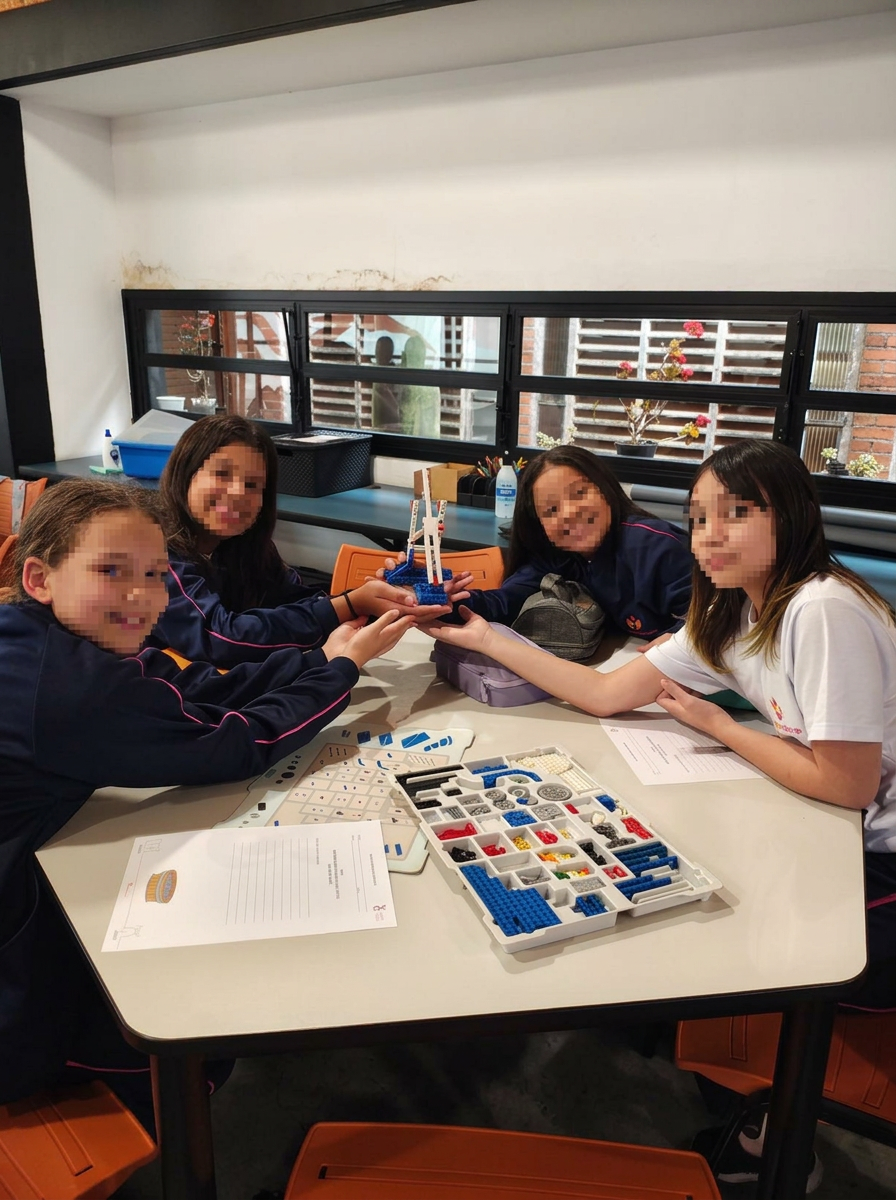
Female empowerment through STEAM skills
The STEAM 2025 Project — Creating a Sustainable Future provided girls aged 7 to 14 with a journey of hands-on learning, creativity, and empowerment. By integrating science, technology, engineering, arts, and mathematics, the students developed prototypes, animations, videos, and solutions for real sustainability challenges.
The project is carried out by Somai EdTech in partnership with AFESU and sponsored by Merck, at the Veleiros, Morro Velho, and Casa do Moinho units in São Paulo.
The methodology combined a STEAM approach, project and challenge-based learning, the use of digital tools, robotics kits, and multimedia resources, in addition to teamwork, empowerment, and creativity.
Eight projects, from the map of Brazil to the biodigester
Brazil, a Land of Many Places!
Cultural exploration of Brazil's regions with creation, construction, and prototyping using mechanical and robotics concepts.
Getting to Know Our Country!
Research, organization, and digital production about Brazilian regions, with presentations and a digital cookbook.
Light, Camera, Reflection, Discussion, Action!
Construction of a phenakistoscope and zoopraxiscope with building blocks, exploring light, movement, and sustainability.
Stop Motion
Creation of frame-by-frame animations with digital devices and various materials.
Simple Machines
Study of levers, pulleys, wheels, and axles, with assembly of cranes, elevators, and scales.
Click, Create, and Connect
Introduction to block programming with Scratch and creation of physical controls with Makey Makey.
Not Everything Discarded is Trash
Prototypes for waste treatment: sorting conveyor, compactor, shredder, and biodigester.
Water Demands Passage!
Study of floods and construction of elevated house, excavator, and leak detector.
Six projects, from cartography to robotics with sensors
An Adventure in Chapada Diamantina
Geographical spatialization, orientation, and cartography combined with the construction of technological and robotic instruments.
Stop Motion
Frame-by-frame animations using digital devices and diverse materials.
VideoMaker
Production of short videos on sustainability: script, recording, editing, and presentation.
Technologies Around Us
Construction and programming of prototypes to simulate home automations: alarm, door, gate, and washing machine.
Simulating a Rescue
A challenge inspired by the Brazilian Robotics Olympiad, using light and ultrasonic sensors.
For a Sustainable World
Construction of a robot and sustainability challenges exploring sensors, motors, and programming logic.
Portfolio class by class, student by student
The entire cycle was documented in a project book with photographic records of the classes, constructions, and presentations, including individual student portfolios from the three units. This material allows the institution and the sponsor to monitor what was done, with whom, and with what result.
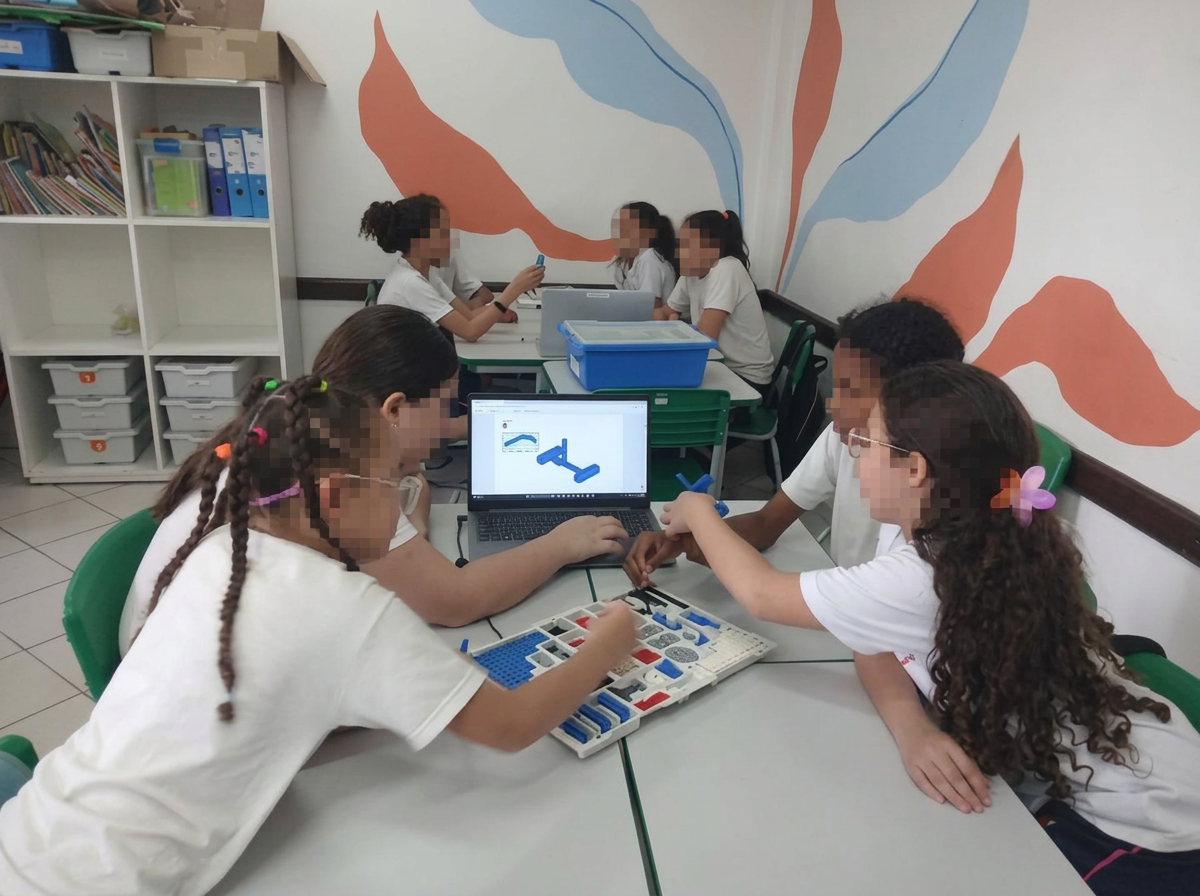
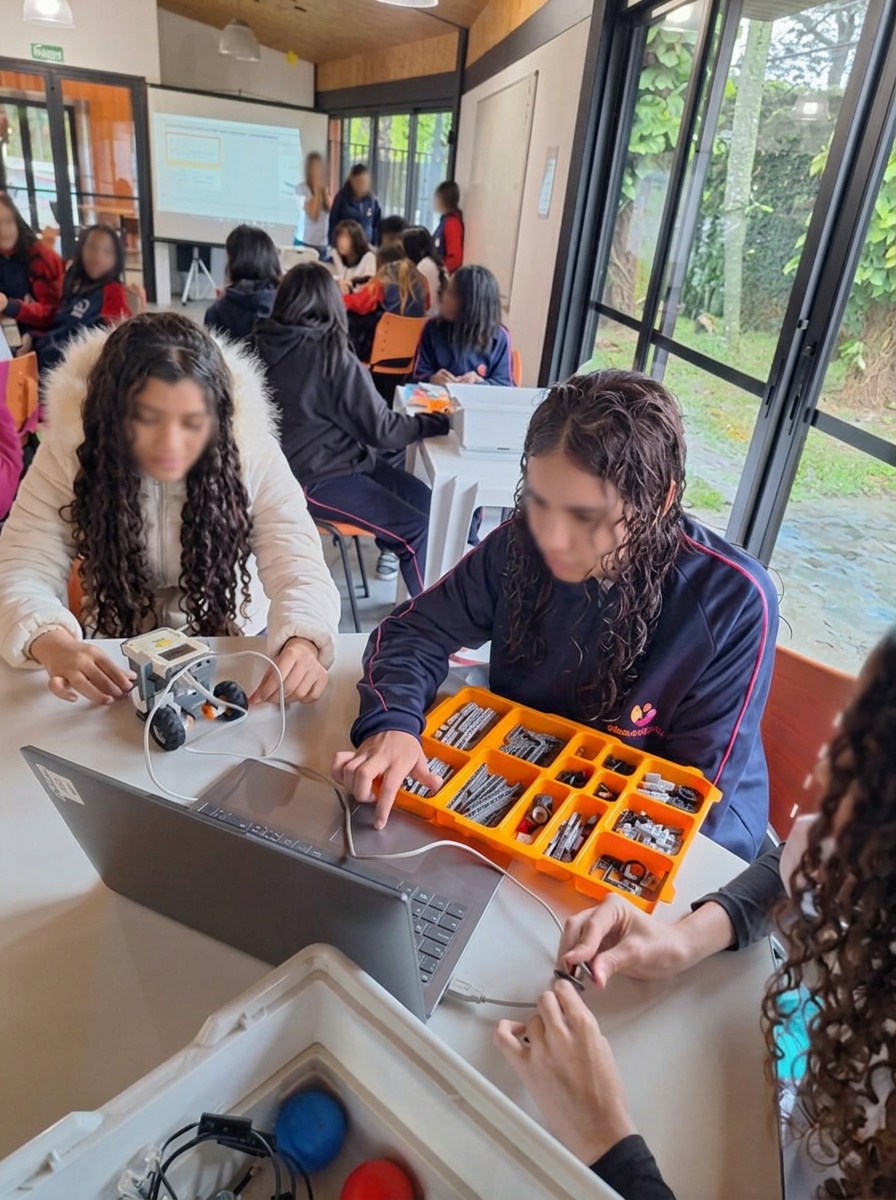
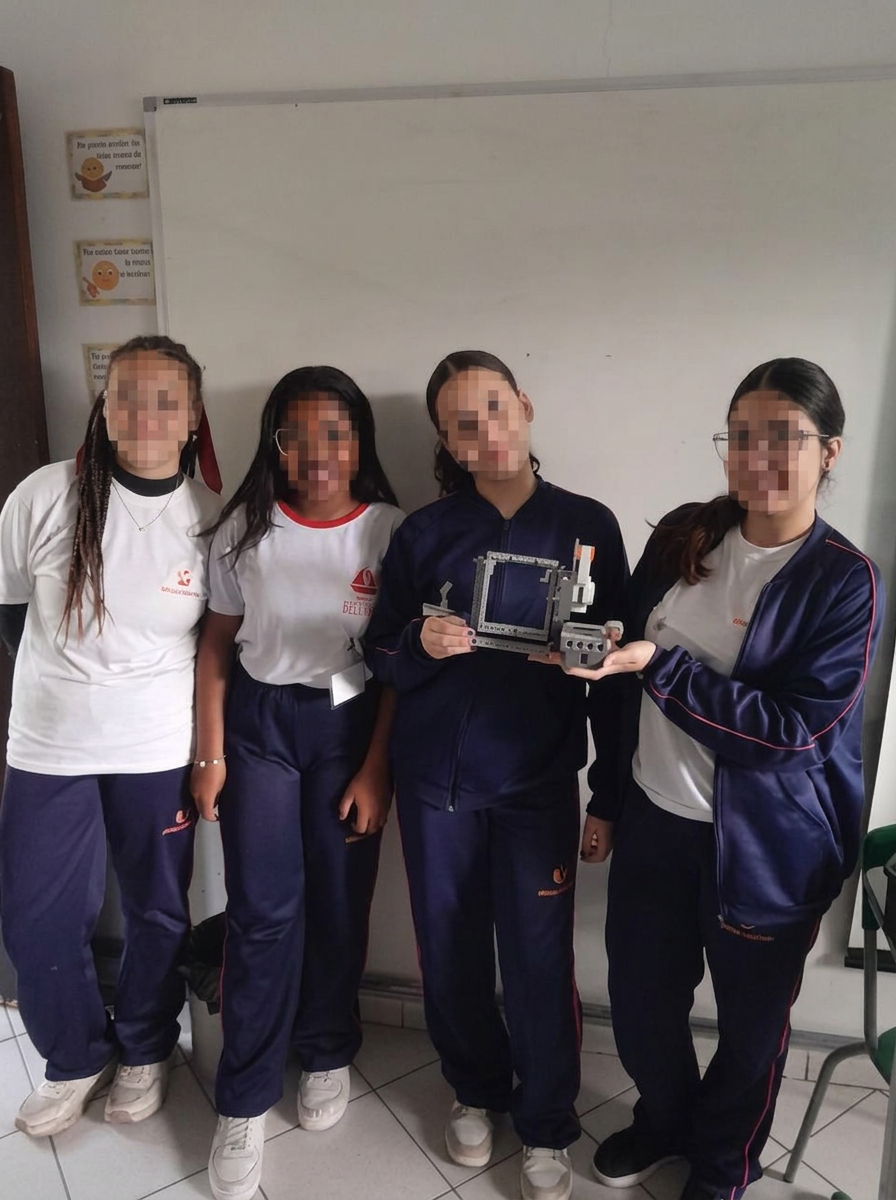
"Through STEAM, our young women were encouraged to develop critical and analytical thinking, enhance their problem-solving skills, and foster creativity and innovation. More than just acquiring technical knowledge, the methodology stimulated curiosity, experimentation capacity, and self-confidence."
Sonia de Almeida, Director of AFESUSocial investment with a pedagogical track
Sustainability as a guiding principle
All projects stemmed from real socio-environmental challenges: waste, water, energy, and consumption.
Girls at the center
Female leadership in STEAM starts early: classes for 7 to 14-year-olds, with continuity between Elementary School I and II.
Corporate sponsorship applied in the classroom
Merck's contribution became classes, kits, teachers, and prototypes — with documentation for accountability.
Documentation for reports
Closing book with individual portfolio, ready for impact reports and institutional communication.
Technology integrated into education since 1990
In the market since 1990, Somai specializes in integrating new technologies into education. Technical-pedagogical excellence is supported by a multidisciplinary team of pedagogues, teachers, psychologists, graphic designers, administrators, programmers, and technicians, who work to deliver high-impact educational technology solutions.
More than 35 years, 2,500 schools served, 25,000 educators involved, and 2.1 million students impacted.
What Somai implemented
Other similar cases
Interested in an advanced robotics project for your institution?
Somai EdTech
With over 35 years in the market, Somai is the strategic partner your institution needs to bring real technology to education. Speak with our team.